Ganglion cysts commonly appear as a painless lump on your finger, wrist, or back of the hand but may also be found around the feet, ankles, and knees. Most cysts will not cause problems other than being a cosmetic concern. Some may naturally self-resolve over time while others require intervention from an orthopaedic surgeon to address pain or mobility problems.
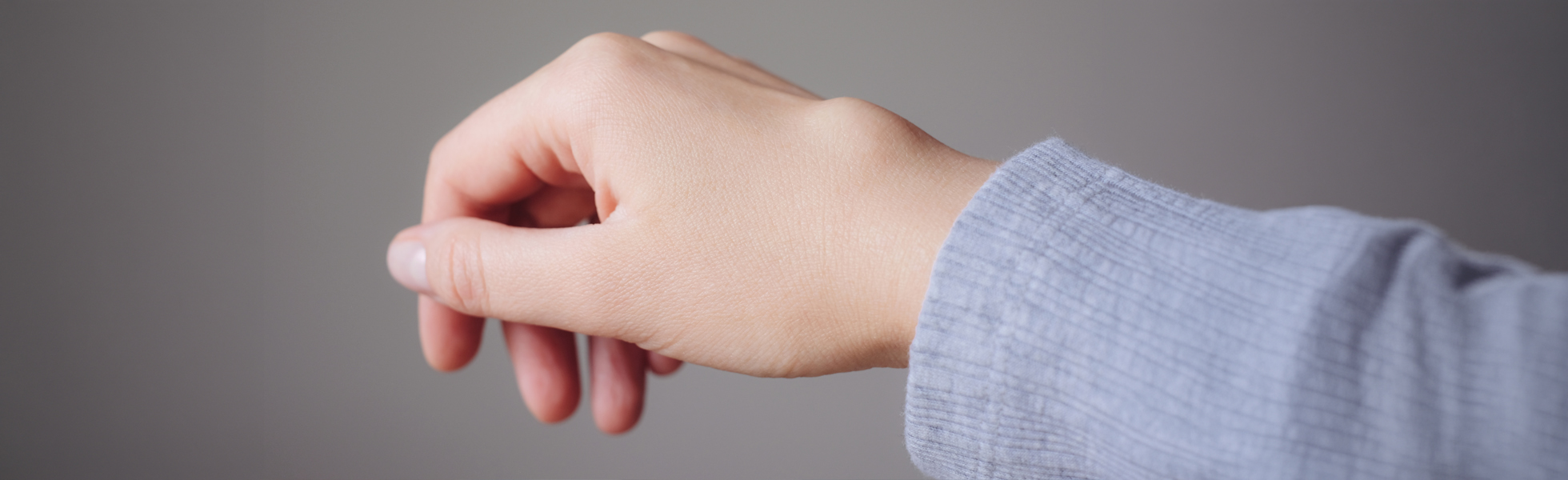
A ganglion cyst is a non-cancerous, fluid-filled sac, most commonly presenting as a smooth lump on your wrist over a ligament or tendon. Though the back of the wrist is the most frequent location for a ganglion cyst, they can also appear elsewhere around the hand or on the legs and feet.
Women are more likely to develop a ganglion cyst compared to men, and they are also more common between the ages of 20-50 years, although anyone of any age can get a ganglion cyst.
It is not clear what causes ganglion cysts, however, it is thought that they may arise from repetitive micro-injury leading to degeneration of the connective tissue. The material produced from this degenerative process then collects and forms the cyst. You may be more likely to develop a ganglion cyst if you have osteoarthritis or if you participate in activities that often stress the wrist joints, such as gymnastics.
The vast majority of ganglion cysts are asymptomatic, other than being able to feel or see a firm and well-defined lump under your skin if the cyst is large enough. These lumps are most often painless but in some cases can be associated with:
Ganglion cyst symptoms depend on the size and location of the cyst. A ganglion cyst in your wrist may be associated with carpal tunnel syndrome or trigger finger as the cyst presses on the nerve or tendon sheath. Large cysts can cause pain from stretching the overlying skin, or can interfere with your wrist or finger mobility.
When assessing a ganglion cyst on the wrist, finger, or elsewhere on the body, Dr Fleming will rule out other conditions that also present similarly, including other types of benign growths or, more rarely, cancerous tumours. Confirming a diagnosis of a ganglion cyst involves understanding your medical history, symptoms, and assessing the physical features of the cyst. Sometimes, other tests such as a biopsy, ultrasound, or MRI may be needed.
Ganglion cysts that are not causing you any concerns with pain, appearance, or function can be left alone. Many of these cysts will naturally regress over time. If you do wish to have a ganglion cyst removed, this can be achieved either through surgery or non-surgical approaches.
As movement can often cause a cyst to enlarge, supporting and immobilising your wrist or other affected area with a brace or splint can encourage the ganglion cyst to reduce in size on its own.
Another non-surgical treatment for ganglion cysts is aspiration, which involves using a needle to drain the fluid from a cyst. This is performed in your doctor’s clinic under local anaesthesia. Aspiration is more commonly used for cysts on the back of the wrist rather than those on the underside (palm side), as this location is very close to major nerves and blood vessels. Around half of ganglion cysts treated with aspiration will recur.
Surgery for a ganglion cyst comes with lower rates of recurrence as the root of the cyst where it attaches to the ligament is also removed. Ganglion cyst surgery is typically performed under local anaesthesia, and requires the expertise of an orthopaedic hand and wrist surgeon to minimise the risk of damage to the involved ligament.